
Trust Through the Ages
From Aristotle to modern systems theory, the concept of trust has been central to every functioning society, institution, and system. We do not claim to invent these ideas. We build on them.
For our partners, this means every architectural decision, every line of code, every deployment choice is guided by principles that have stood the test of centuries. Not by what is trendy, not by what is easiest, but by what is right.
Voices That Shaped Our Thinking
These are not decorative quotes. Each one represents a philosophical thread woven directly into how we architect systems.
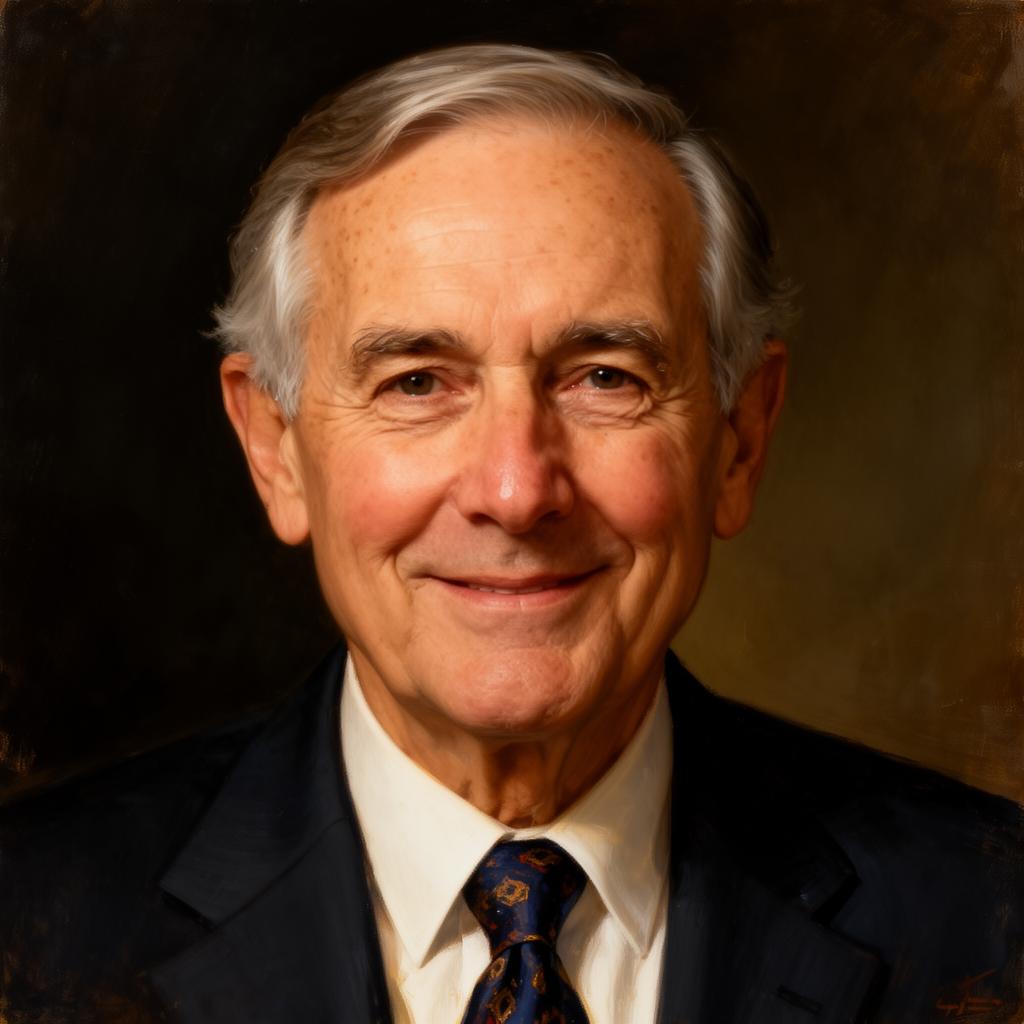
Stephen Covey
1932 – 2012
"Trust is the glue of life. It is the most essential ingredient in effective communication."
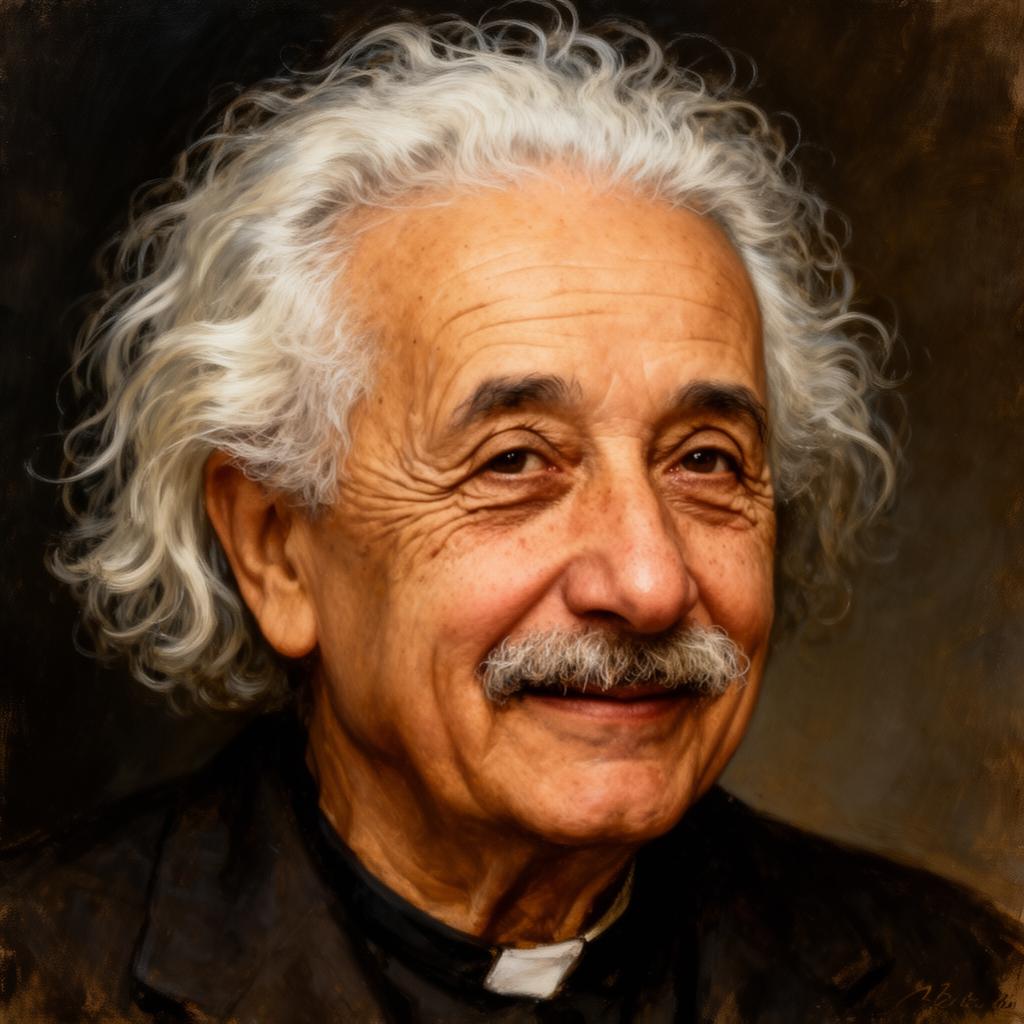
Albert Einstein
1879 – 1955
"Whoever is careless with the truth in small matters cannot be trusted with important matters."

Mahatma Gandhi
1869 – 1948
"The moment there is suspicion about a person's motives, everything he does becomes tainted."
What This Means for You
Predictable Systems
Principles like competence and reliability translate directly into systems that behave consistently under pressure. No surprises, no fragile workarounds.
Honest Architecture
Transparency and authenticity mean you see exactly how your system works. No hidden layers, no black boxes. Full observability from day one.
Built for Evolution
Openness and fairness in architecture mean your system adapts as your business grows. Backwards compatible, always. Your data and logic evolve together.
Nine Principles of Trust
"Trust is the glue of life. It is the most essential ingredient in effective communication. It is the foundational principle that holds all relationships.
Every system we build is grounded in nine validated principles. Each one carries the weight of centuries of philosophical inquiry into what makes systems, and people, worthy of trust.
Competence
Systems that perform under pressure
"We are what we repeatedly do. Excellence, then, is not an act, but a habit."
Integrity
Consistent, predictable behavior
"In matters of principle, stand like a rock."
Benevolence
Designed with stakeholder interest in mind
"The best way to find yourself is to lose yourself in the service of others."
Transparency
No black boxes, full observability
"Three things cannot long be hidden: the sun, the moon, and the truth."
Reliability
Always-on, stable processing
"To be trusted is a greater compliment than being loved."
Empathy
Built for real-world use and users
"Could a greater miracle take place than for us to look through each other's eyes for an instant?"
Authenticity
Honest architecture, no hidden layers
"To thine own self be true, and it must follow, as the night the day, thou canst not then be false to any man."
Fairness
Balanced logic and decision flows
"Injustice anywhere is a threat to justice everywhere."
Openness
Ready to evolve with your business
"The measure of intelligence is the ability to change."
These nine principles are not just guidelines. They form the ethical and architectural DNA of every system we design, every partnership we build, and every line of code we write.
Trust is a long-term commitment, not an idea.
These principles are not marketing. They are the direct output of fifteen years of research and hard-won production lessons, starting inside the TU Eindhoven CAPA program in 2011 and the GALE declarative engine in 2012, then tested against real workloads at real scale.
Research proved the pattern
Context-aware predictive analytics and a declarative adaptation engine showed that separating intent from execution is not academic elegance. It is the only way to keep systems honest as they evolve.
Production proved the cost
Every shortcut we watched the industry take, borrowed infrastructure, vendor-specific services, framework churn, came back as technical debt or a lost audit. We kept refusing the shortcut. The debt never showed up.
AI proved the stakes
When AI arrived, teams without a declarative backbone bolted it onto fragile stacks. Trust Runtime already had the primitives: events, recipes, projections. Intelligence became a capability, not a new dependency.
The lesson is simple. A principle you hold for one project is a preference. A principle you hold for fifteen years, across markets, technologies, and hype cycles, becomes an architecture. That architecture is Trust Runtime.